

Acreage First: How to Choose the Right LS Tractor Class
Choosing the right tractor starts with one simple question: which LS tractor fits my acreage. Your land size shapes everything from horsepower to implement choices. However, acreage alone is not the whole story, because terrain and tasks matter too. LS offers sub-compact, compact, and utility tractors that match different property demands. This guide easily breaks it down for 1–5 acres, 5–20 acres, and 20+ acres. Along the way, you will see what features help you work faster and safer. Factor in weekly seat time, because comfort matters more than most people expect. If you are in McEwen, Bob’s Tractor’s makes the process easy and local. We help you compare LS models, size attachments, and plan for future needs. With us, you get sizing help, so your first tractor feels right. Most importantly, you get ongoing parts and service support long after the sale.
1–5 Acres: Why a Sub-Compact LS Tractor Makes Sense
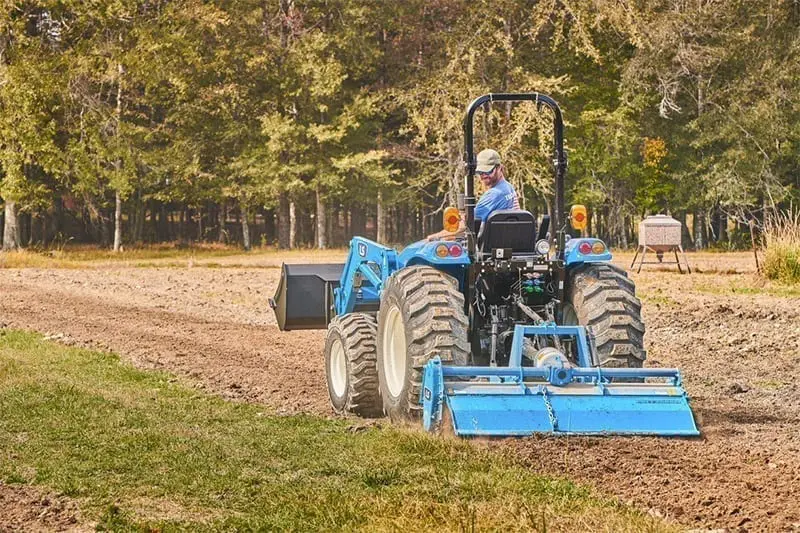
For 1–5 acres, a sub-compact LS tractor usually fits best for everyday property care. These tractors are nimble, easy to store, and gentle on lawns when used correctly. Typically, you will use a loader for mulch, gravel, and light material handling. Next, a mid-mount or rear finish mower keeps grass clean without a huge commitment. Also, a small rotary tiller is great for gardens and food plots, while a small box blade or rear blade helps maintain a short driveway. Because sub-compacts sit lower, they feel stable around landscaping and tight spaces. Regardless, you should check lift capacity if you plan heavier pallets or round bales. Finally, ask about loader quick-attach options, because swapping tools saves time. At Bob’s Tractor’s, you can test attachments and confirm safe ballast. Our local guidance prevents costly upgrades and keeps your setup efficient from day one.
5–20 Acres: The Compact Sweet Spot for Versatility
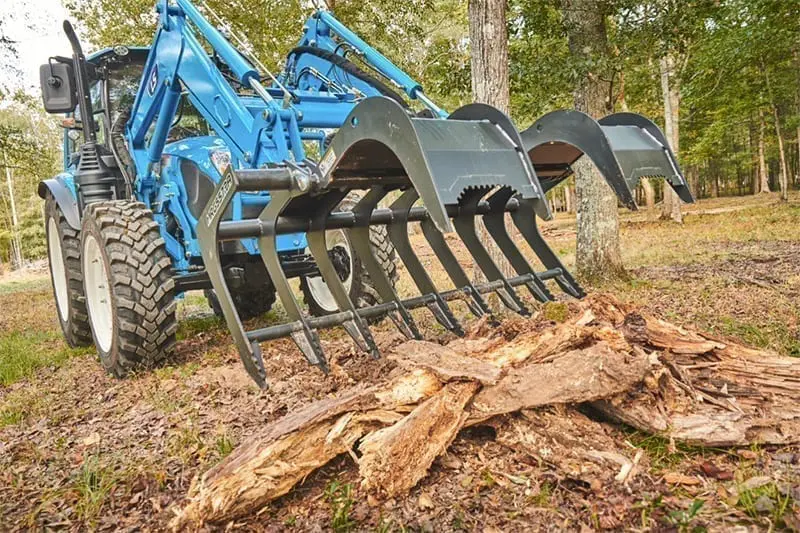
When you manage 5–20 acres, a compact LS tractor is often the sweet spot. It gives you more power, more hydraulic flow, and a stronger three-point hitch. As a result, you can run bigger cutters, tillers, and heavier implements confidently. Many owners add a quick-attach loader, pallet forks, and a grapple for brush work. For wooded edges, a grapple and brush cutter combo turns cleanup into a one-person job. Meanwhile, a rotary cutter helps reclaim fields and keeps fencelines looking sharp. When mowing acres weekly, consider a wider finish mower, because fewer passes keep weekends free. Whereas when maintaining gravel lanes, a heavier box blade levels washboards faster. Because compacts come in many sizes, matching weight to traction is key. At Bob’s Tractor’s, we can walk through your property plan and suggest the right tire choice. Consequently, you spend less time spinning and more time finishing jobs cleanly.
20+ Acres: Utility Tractors Built for Bigger Workloads
For 20+ acres, an LS utility tractor makes the most sense for heavy, frequent work. These tractors bring higher horsepower, heavier frames, and more capacity for long days. Therefore, they handle larger rotary cutters, larger tillers, and demanding loader tasks. If you move hay, you will appreciate stronger lift ratings and better stability. Also, utility models often offer more hydraulic options for advanced implements. On bigger land, speed matters, so higher transport speeds can save real hours. You may also want a heavier duty rear blade for snow and washed-out lanes. When you pull bigger loads, the extra wheelbase improves control, especially on wet Tennessee hills. However, the best utility choice depends on your ground conditions and typical loads. Bob’s Tractor’s can size you for pasture work, driveway grading, and material handling. In the end, the right utility tractor protects your time and reduces wear on equipment.
What Really Changes: Sub-Compact vs Compact vs Utility
So, what separates sub-compact, compact, and utility tractors as acreage grows is capacity. Sub-compacts are lightweight and maneuverable, making light-duty work easier in tight barns with a tighter turning radius. Compacts add stronger loaders, higher PTO horsepower, and better implement flexibility. Utility tractors, on the other hand, emphasize durability, traction, and capacity for continuous work. Frame size affects stability, especially on slopes or when lifting high with a loader. Similarly, hydraulic flow affects loader speed and how well you run grapples or top links. PTO type matters too, because bigger cutters need more steady power under load. Compact and utility frames usually accept larger tires, which boosts traction and reduces rutting greatly. Additionally, wheelbase and tire options influence ride comfort and ground compaction. By comparing these factors, you can choose a tractor that fits your land today and tomorrow.
Simple Checklist: Match the Tractor to Your Tasks and Terrain
Before you buy, list the jobs you do most each season and consider what you’ll tackle next year. Needs usually grow. For example, adding a garden may require a tiller, while awareness of livestock needs may require a heavier loader. Next, consider storage space, trailer capacity, and how far you travel between fields. On hilly property, prioritize tractor weight, tire choice, and safe ballast practices. For wet soil, wider tires or four-wheel drive can improve traction and reduce rutting. Also, plan your implement package as a system, not random single purchases. Since common wear items are stocked, you can keep working instead of waiting on shipping during busy seasons. Bob’s Tractor’s helps match LS tractors with the right parts and attachments in one visit. As a result, your setup works together, and compatibility surprises are less likely.
Final Fit: Pick the LS Tractor That Works Like You Do
Ultimately, the best answer to “which LS tractor fits my acreage” is the one that fits your work style. For 1–5 acres, start with a sub-compact that handles mowing, light lifting, and driveway touch ups. For 5–20 acres, choose a compact that balances power, traction, and versatile attachments. For 20+ acres, step into an LS utility tractor built for long hours and heavier implements. The smartest move is to see options in person and ask practical questions; that is where Bob’s Tractor’s stands out with hometown support. You can shop tractors, order parts, and schedule service with one trusted team. Our staff can help you choose loaders, mowers, blades, and hydraulic add-ons, plus, local delivery and setup help you start safely, without guessing right away. So, stop on by or call Bob’s Tractor’s today and get an LS setup that truly matches your acreage.