
Tractor Won’t Start in Cold Weather: Start With the Simple Stuff
A tractor won’t start in cold weather for a few common reasons. First, cold slows batteries and thickens fluids. Next, diesel fuel can gel or become restricted by a dirty filter. Also, safety switches can stop cranking even when everything “looks fine.” So, start with quick checks before you replace parts. Listen for the sound: click, slow crank, or normal crank with no start.
Each sound points to a different problem. If the engine cranks slowly, think battery and cables first. If it cranks normally but won’t fire, think fuel, air, or glow plugs. If you get one click, look at connections and solenoids. Meanwhile, check that the PTO is off and the seat switch engages. Then set the parking brake and neutral position correctly.
These steps save time and money. If you want a clear diagnosis, Bob’s Tractor Parts in McEwen, TN can help quickly.
“Battery Is Good” Doesn’t Mean Power Reaches the Starter
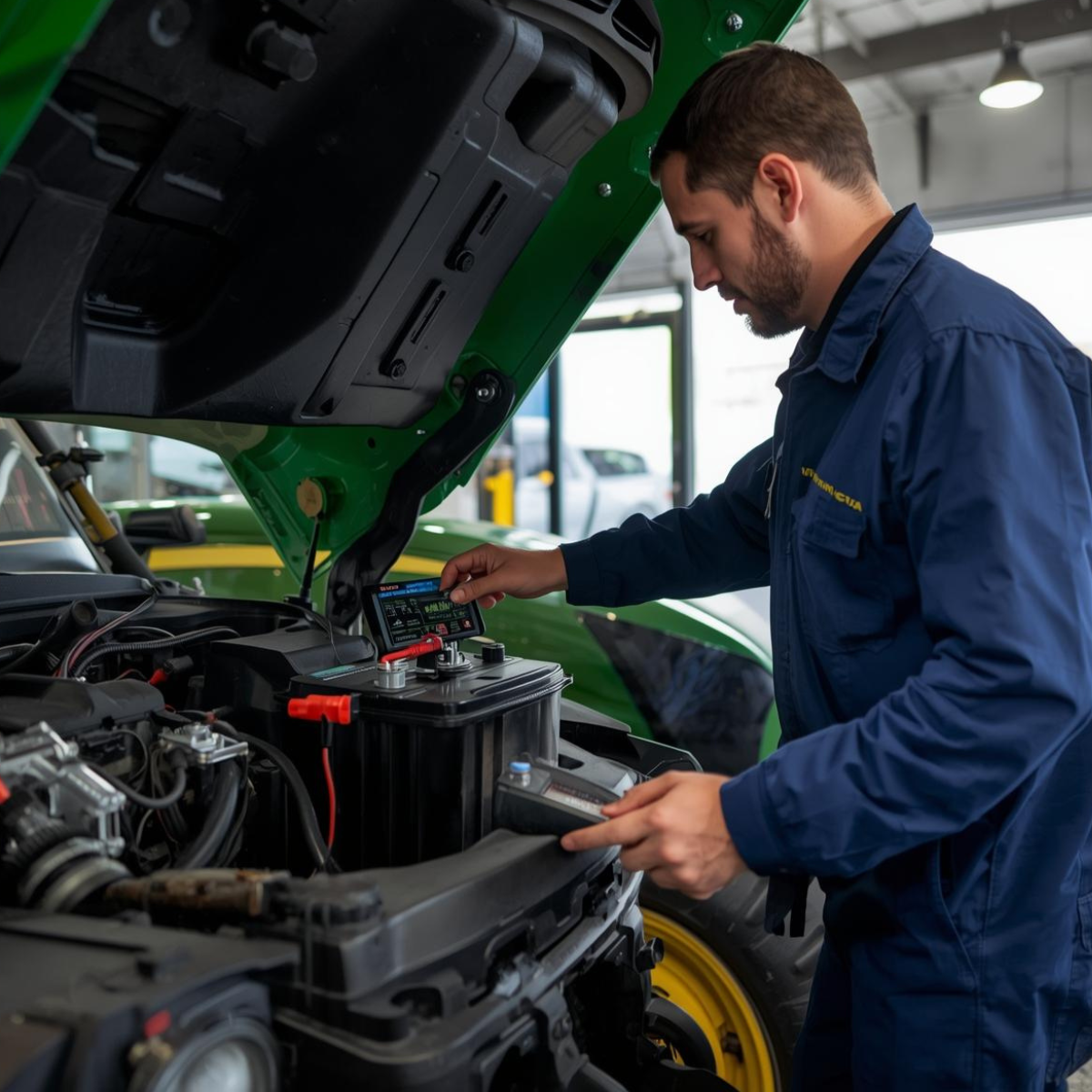
Many owners say, “My tractor won’t start, but the battery is good.” However, voltage at rest isn’t the same as power under load. Cold weather lowers battery output and raises starter demand. So, clean both battery terminals until they shine. Next, tighten connections; a loose clamp can reduce cranking power. Also, inspect the ground cable where it meets the frame.
Corrosion hides there and causes hard starts. Then check for swollen cables or cracked insulation. If you have a meter, watch the voltage while cranking. A big drop often means a weak battery or poor connection. Likewise, check the key switch and safety interlock wiring. A worn switch can intermittently interrupt power.
If your dashboard lights dim hard, suspect the battery or cables. If the lights stay bright, suspect the starter circuit. Finally, keep a battery maintainer handy for cold weeks. Bob’s Tractor Parts can test batteries, match cables, and source starter parts when needed.
Fuel Flow Problems: Filters, Water, and Winter Diesel
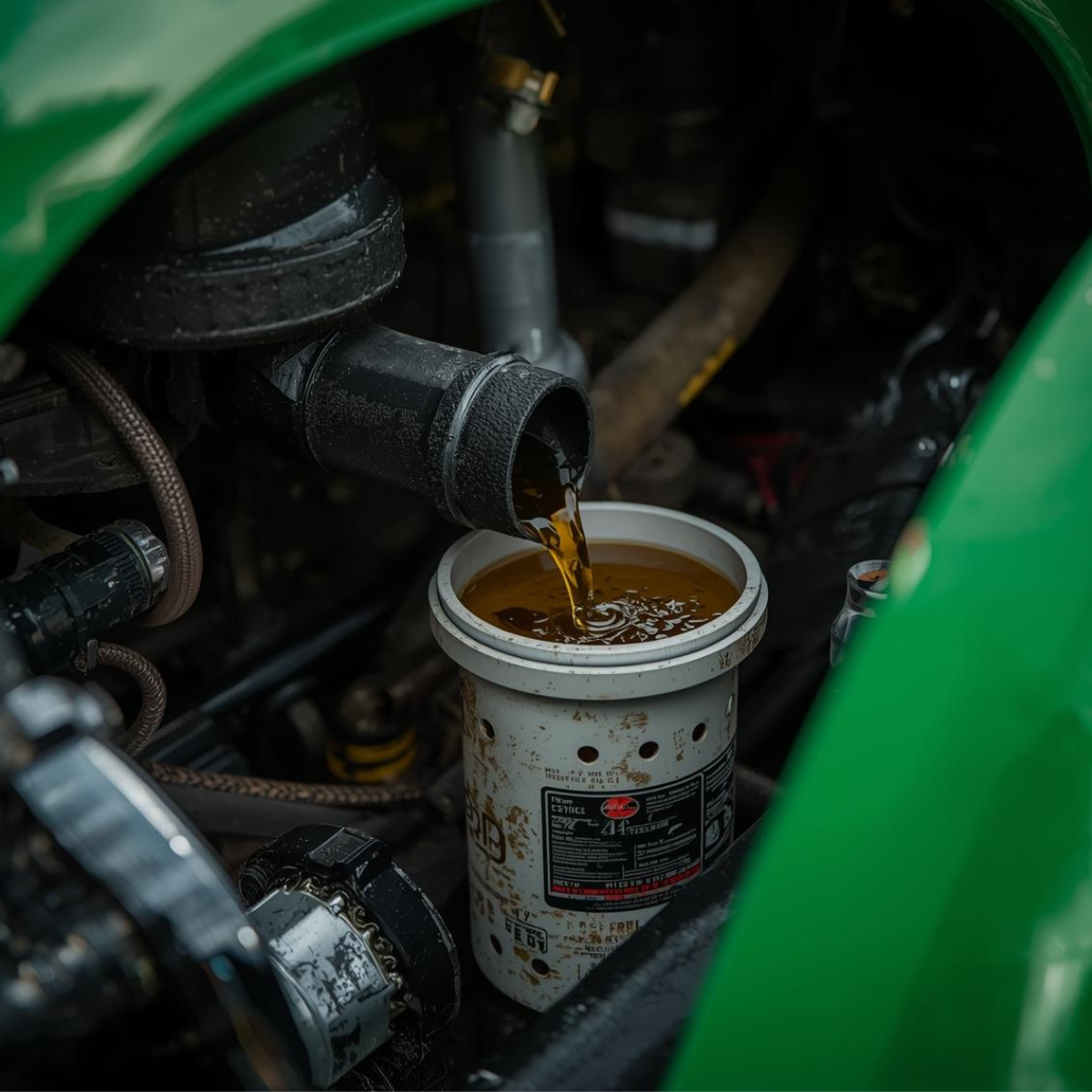
If a diesel tractor won’t start in cold weather, fuel flow is a top suspect. First, check your fuel level because low fuel can pull in condensation. Next, drain the water separator, if your tractor has one. Water can freeze and block the filter quickly. Also, replace the fuel filter if it’s near its service interval. Cold fuel moves more slowly through dirty media.
Then look for cloudy fuel in a clear bowl or on a clear line. Cloudiness can signal waxing and early gelling. If you used summer diesel, problems show up during sudden cold snaps. So, use a winter blend when temperatures drop. Add anti-gel before the freeze, not after the issue starts. Also, keep a spare filter on the shelf during winter.
If the tractor starts and dies, fuel restriction is likely. Bob’s Tractor Parts can recommend the right filter and winter additive for your LS tractor.
Glow Plugs, Intake Heaters, and Cold Start Technique
Glow plugs matter most when temperatures dip and compression heat drops. First, cycle the glow plugs fully before cranking. Don’t rush the key, even if you feel impatient. Next, wait for the glow indicator to complete its cycle. Some tractors need a second cycle in deep cold. Also, avoid pumping the throttle, as many diesel engines don’t respond like gas engines.
Instead, follow your manual’s starting steps for your model. If your tractor has an intake heater, allow it to complete its full warm-up cycle. Then crank in short bursts to protect the starter. If it doesn’t fire, pause and try again after a minute. Long cranks flood cylinders with fuel, reducing success. Likewise, weak glow plugs can mimic fuel issues.
Hard starts with white smoke often point to cold combustion. Bob’s Tractor Parts can test glow plug circuits and supply replacements. They can also help you quickly confirm timers, relays, and wiring.
It Starts, Then Dies: Air Leaks, Gelling, and Hidden Restrictions
A tractor that starts and then dies usually has a fuel delivery issue. First, check for air leaks at the filter head and fuel lines. Cold can shrink seals and worsen small leaks. Next, inspect clamps and fittings for damp spots or bubbles. Also, look for cracked primer bulbs or brittle hoses. If fuel gels, the tractor may run briefly before starving.
That often happens after you “nurse it” out of the shed. Another cause is a plugged tank vent that creates a vacuum. So, loosen the cap slightly as a test, if safe. Likewise, a dirty air filter can worsen cold starts and smoky idles. Replace it if it’s packed with dust. If the engine surges, suspect restriction or air intrusion.
If it sputters under throttle, suspect fuel flow again. Bob’s Tractor Parts can help trace these issues fast. They can also source seals, hoses, and filters to fix the root cause.

Cold-Weather Prevention Checklist and When to Call Bob’s Tractor Parts
Prevention makes cold starts easier and protects expensive components. First, keep the tank fuller to reduce condensation and water in fuel. Next, use winter diesel and add anti-gel before a hard freeze. Also, change the fuel filters on schedule because winter reduces flow. Then drain the water separator regularly and watch for repeated water. If you see it often, improve fuel storage practices.
Likewise, keep a battery maintainer on during long idle weeks. Clean terminals before winter, not after problems show up. Consider a block heater for easier starts and less wear. Plug it in a few hours before you need the tractor. Also, store spare filters and a basic tool kit. If the tractor still won’t start, don’t keep cranking endlessly.
That can damage starter motors and drain batteries quickly. Bob’s Tractor Parts in McEwen, TN can diagnose, repair, and recommend best practices. They also help with parts, service scheduling, and quick answers.