
Storm Cleanup Equipment actually starts with you: Site assessment and PPE basics
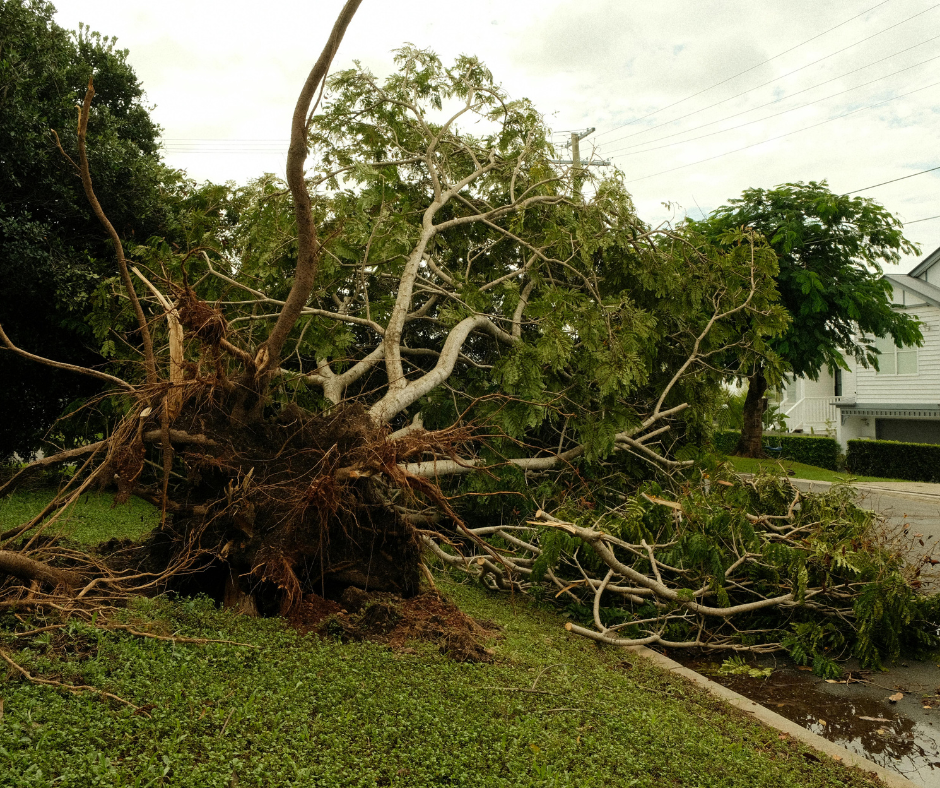
Cleaning up after a storm can get tricky, fast. Start with a slow walk around the property. Look for live wires first. Stop if you see any. Call the utility before doing anything else. Next, scan for leaning trees, split trunks, and hanging limbs. Mark danger zones with flags or cones. Keep kids and pets away from the work area.
Wear the right PPE every time. Use a helmet with face shield and muffs. Add ANSI-rated safety glasses under the shield. Pull on cut-resistant chaps and sturdy gloves. Wear steel-toe boots with strong tread. Bring a first aid kit and a phone. Set a safe work perimeter with a partner watching.
Check the weather before you begin. High winds make hazards worse. Wet ground hides holes and loose roots. Therefore, move slowly and test each step. Keep fuel, bar oil, and tools in one clean station. Place fire extinguishers nearby. Finally, review your plan with the team. Everyone should know the signals and the exit paths.
Chainsaw cuts, bind awareness, and wedges
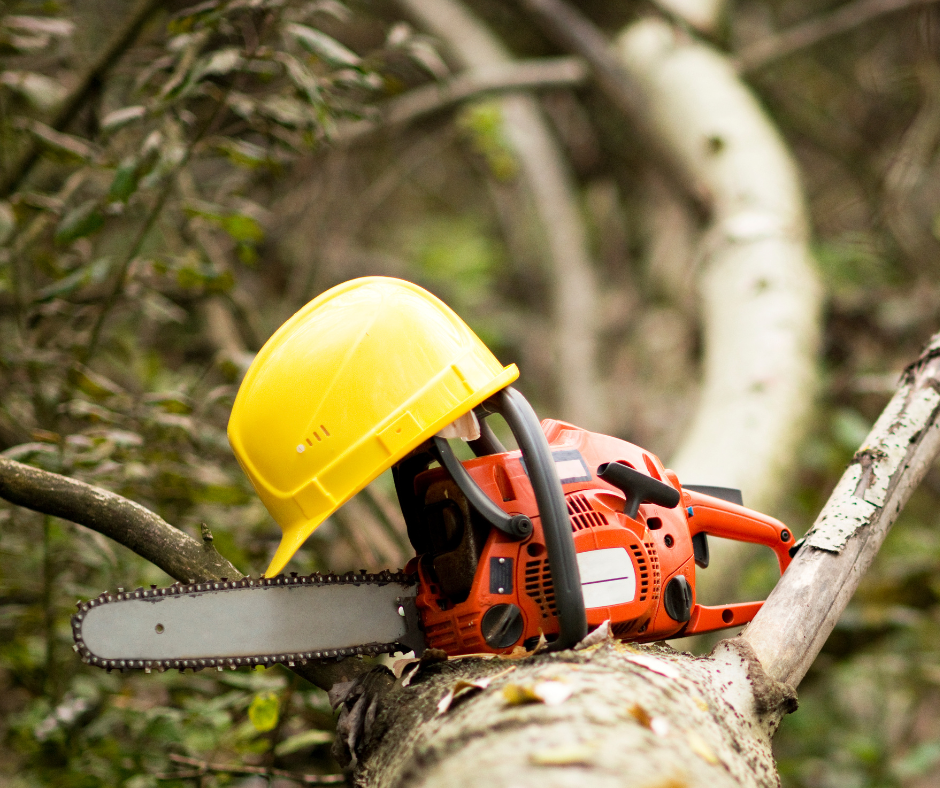
Chainsaw work requires a calm process. Begin with a sharp chain and a healthy saw. Verify chain brake function and bar oil flow. Set the chain tension while the saw is cool. Confirm that all teeth are sharp and even. Dull cutters raise kickback risk.
Study each log before you cut. Identify compression and tension. A log on top of debris compresses on the bottom. A suspended log compresses on top. Therefore, plan your first kerf on the compressed side. Open that side slightly. Then finish the cut from the tension side. This method prevents pinched bars and sudden movement.
Use plastic felling wedges for control. Tap a wedge into the kerf to hold it open. Add a second wedge if the wood sags. For bucking, keep the saw out of the dirt. Roll the log with a cant hook as needed. Limb from the far side of the trunk. Keep the trunk between you and the bar. Cut small branches from the outside in. Work from the butt end toward the top.
Avoid fatigue. Take short breaks and hydrate. Switch operators if hands shake or focus slips. Kickback happens fast. Maintain a firm grip. Keep your left thumb wrapped under the front handle. Finally, never cut above shoulder height. Use a pole saw for safe reach instead.
Loader, grapple, and rake tactics for speed
Once limbs are bucked, move debris with the right tools. A compact tractor can save hours here. Choose storm cleanup equipment that fits the job. A root grapple lifts brush without extra handwork. A loader bucket handles soil, gravel, and small stumps. A landscape rake pulls fines and sticks into neat rows.
Stage materials before transport. Build brush piles with butt ends facing one direction. Stack logs by diameter for quick loading. Therefore, trips get faster and safer. Place piles on stable, dry ground. Keep room for trucks or trailers to turn.
Work in lanes. Start near the house and move out. Keep a clear path for emergency access. Use low throttle near buildings and people. Approach piles square with the grapple low. Close the jaws gently. Lift only as high as you need. Carry loads close to the ground for stability.
Watch the tractor’s balance. Add rear ballast when lifting heavy timber. Set tire pressures to spec. Tighten sway bars to control side shift. On slopes, travel straight up or down. Avoid sidehill work with heavy loads. Spotters help here. Hand signals should be simple and clear.
Finish each zone with the rake. Angle the rake slightly to windrow fines. Back drag the bucket to smooth ruts on gravel. Then check drainage paths and culverts. Remove silt and leaves so water can move. Good flow prevents new damage during the next storm.
Lawn recovery: ruts, soil lift, and reseed
Now shift from debris to lawn repair. Walk the yard and probe soggy spots. Do not rush in with heavy equipment – wet soil compacts easily. Instead, use boards or mats for access. Mark irrigation heads before any grading. You’ll thank yourself later for setting yourself up for success.
Fix ruts with a lift, not a shove. Insert a spade under the rut edges. Lift the turf gently to break compaction. Add a light topdressing of compost or sandy loam. Then step the turf back into place. For deep ruts, remove torn sod, loosen subsoil, and refill in layers. Water lightly to settle.
Replace lost soil where roots are exposed. Feather in material from high edges toward low areas. Maintain the original grade so water sheds away from structures. On slopes, use straw wattles to hold soil during rain. Reseed damaged turf with a matching blend. Use a slit seeder for best contact. Topdress with compost. Then roll lightly.
After seeding, water with care. Keep the top quarter inch moist until germination. Then water less often but deeper. Mow only when the grass reaches three inches. Cut to two and a half inches on the first pass. Sharpen blades to avoid tearing new shoots.
Repair garden beds last. Prune broken stems with clean cuts. Remove silt from crowns. Add mulch to protect bare soil. However, keep mulch off trunks and stems. Finally, check tree roots for heave. Call an arborist if large roots lifted near foundations.
Bob’s post-storm toolkit + service check
A smart plan needs the right tools. Build a post-storm kit that you can grab fast. Start with a pro-grade chainsaw sized to your timber. Add a pole saw for overhead limbs. Stock extra chains, files, bar oil, and fuel. Pack plastic wedges, felling tape, and a cant hook.
Next, add storm cleanup equipment for moving debris. Consider a compact tractor with a front loader. Choose a root grapple for brush. Add a landscape rake for finish work. If you maintain long drives, include a box blade for washouts. Keep tow straps, shackles, and a recovery board set.
Round out the kit with safety gear. Include a helmet system, chaps, and gloves. Add high-vis vests for road work. Keep a first aid kit and headlamps in the box. Store cones and flags for traffic control. Finally, place a spill kit near the fuel station.
After the first big push, schedule a service check. Inspect chainsaws for clutch, sprocket, and brake wear. Replace chains that no longer sharpen well. On tractors, grease all zerks and check hydraulic lines. Verify loader pins, tire pressures, and wheel torque. Change engine oil if heavy idling occurred. Clean radiators and screens so cooling stays strong.
Visit Bob’s Tractor Parts & Equipment for parts and guidance. Our team will match bar and chain sizes, safety gear, and tractor attachments. We also help size grapples, rakes, and box blades to your machine. With the right fit, your crew works faster and safer. And your property recovers sooner.