
Why Off-Season Mower Storage Matters In Tennessee
When mowing season slows, smart storage keeps your mower ready for spring. Cold nights and damp air can quickly ruin fuel and corrode metal. So, follow a shutdown routine you can repeat every year without stress. First, park on a clean, level surface in a dry, ventilated spot. Next, remove grass buildup, because clippings trap moisture against paint and steel. Then, handle fuel, belts, and blades before small issues grow into repairs. Also, wash and dry the deck, because rust loves to cling to leftover debris. Finally, block rodents early, since they chase warmth and chew insulation. If you want help, Bob’s Tractor Parts, located in McEwen, TN, answers questions quickly. Our team can match supplies and parts to your mower, so storage stays simple. As winter arrives, stabilized fuel and clean decks prevent hard starts and rusted spindles. That preparation saves time in March, when grass grows fast and weekends feel short again.
Fuel Stabilizer and Storage Fuel Choices
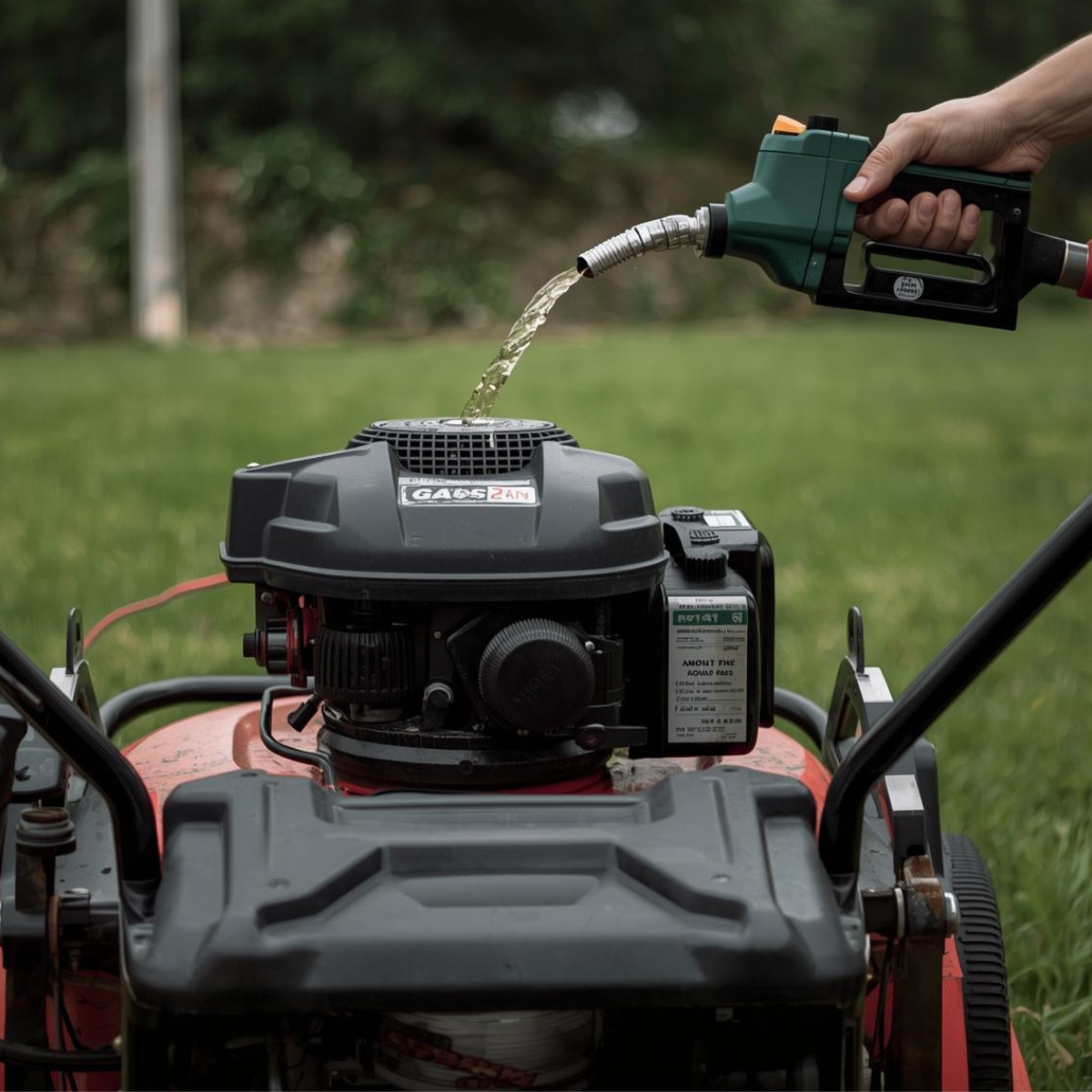
Fuel causes spring headaches, so handle it before your final cut of the year. Start by adding fuel stabilizer to fresh gasoline in the tank. Then run the engine for ten minutes, so treated fuel reaches the lines and the carburetor. If your mower uses ethanol fuel, buy the lowest ethanol blend you can find. Ethanol pulls in moisture, which can clog jets and corrode small passages. Next, choose a storage approach: keep the tank full or drain it completely. A full tank reduces condensation, while a dry system eliminates old fuel problems. Also, shut the fuel valve and run the engine until it stops, if allowed. Afterward, label your fuel can with the date, so you avoid stale gas in spring. If you smell varnish or face hard starts, change filters and clean the carburetor early. Bob’s Tractor Parts can recommend stabilizers, filters, and tune-up parts for your exact mower today.
Belt Tension, Spindles, and Moving Parts
Belts and pulleys take stress all season, so check them before the mower sits for months. First, inspect belts for glazing, cracks, frayed edges, or missing chunks. Next, confirm belt tension using your manual, because each mower uses a different spec. Over-tight belts strain bearings, while loose belts slip and create heat under load. Then, spin idler pulleys by hand and listen for grinding, wobbles, or squeaks. Also, rock each blade tip to feel spindle play before it turns into failure. If you feel looseness, replace bearings and housings early, rather than during the spring rush. After that, clean pulley grooves, because packed debris can throw belts off track. Finally, grease pivots, caster wheels, and linkages, so steering stays smooth next season. While you work, snap photos of belt routing, so reassembly stays quick and accurate. Bob’s Tractor Parts stocks belts, idlers, and spindle parts, so you can finish the job.
Deck Wash and Rust Prevention Without Damage
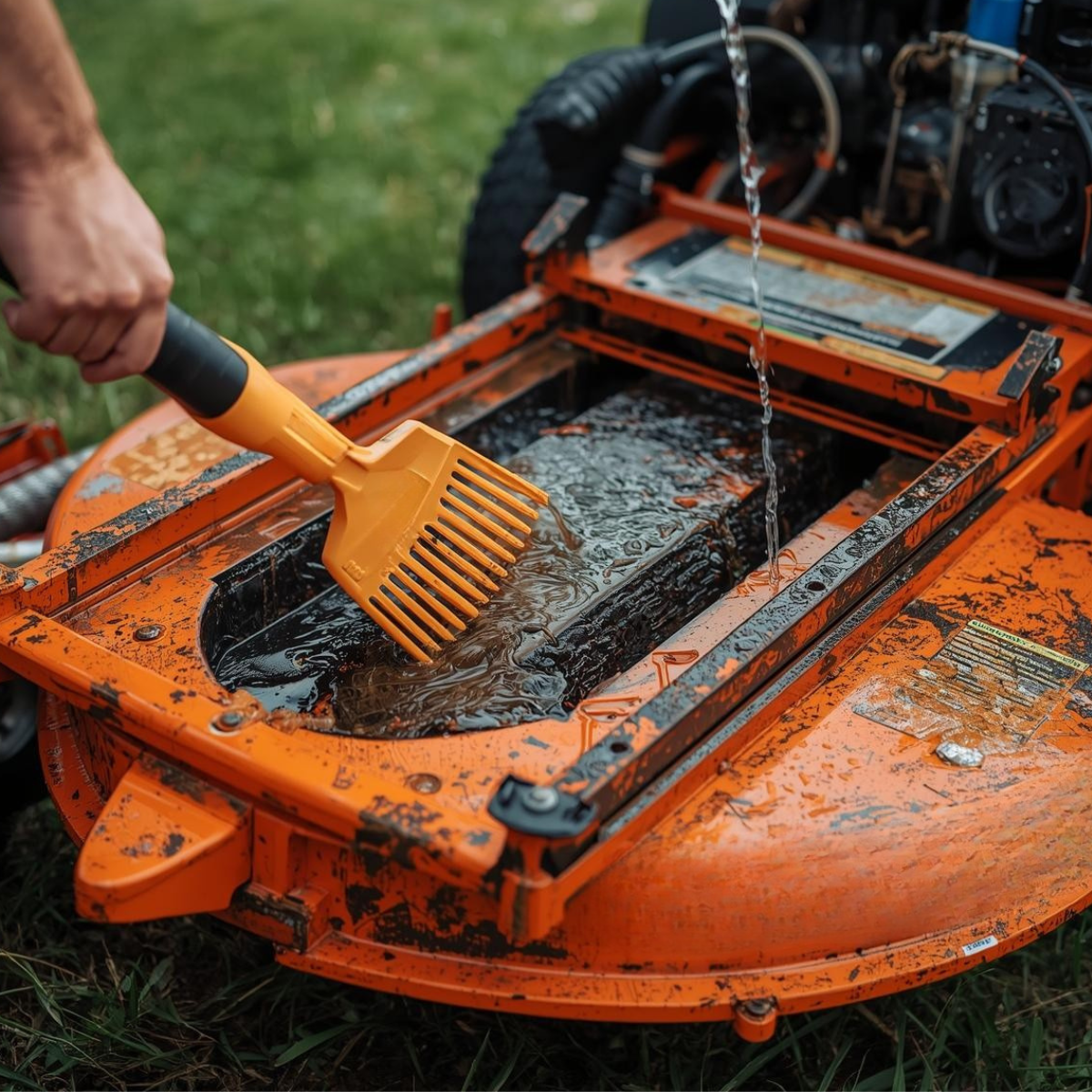
A clean deck fights rust, yet your wash method can harm components. Avoid blasting water into bearings, electrical connectors, and control switches. Instead, scrape thick buildup first with a plastic putty knife or stiff brush. Then, rinse lightly and use mild soap on the residue around baffles and corners. If your deck has a wash port, follow the steps and use low pressure. After washing, dry the deck with towels, a blower, or compressed air. Next, run the blades briefly, so the airflow clears hidden moisture under the shell. Then, touch up chips with paint, because bare steel rusts in humid sheds. Also, wipe the underside with a thin rust inhibitor or silicone spray. However, keep spraying off belts and pulleys, because a slip causes failure. Finally, park with the deck raised, so air moves and dries trapped spots. Bob’s Tractor Parts can supply deck wash items, blades, and rust products for storage.
Blade Care for a Better First Cut
Sharp blades deliver a cleaner cut, so service them before storage and before growth surges. First, remove the key, disconnect the spark plug, and block the mower to prevent movement. Next, remove the blades safely and mark their orientation for correct reinstallation later. Then inspect for bends, cracks, or thin edges near the mounting hole. Replace damaged blades, because failure can throw metal and cause serious injury. After that, sharpen with a file or grinder and keep the factory angle consistent. Also, balance each blade, since imbalance vibrates spindles and loosens hardware over time. Once sharp, clean the blades and apply a light oil film to prevent rust. Check the blade bolts, washers, and keyways for wear, and replace items as needed. Before reinstalling, torque bolts to spec, because over-tightening can strip threads. Bob’s Tractor Parts can match blades and hardware to your mower, so your first cut looks great.
Rodent Prevention and a Spring-Ready Finish
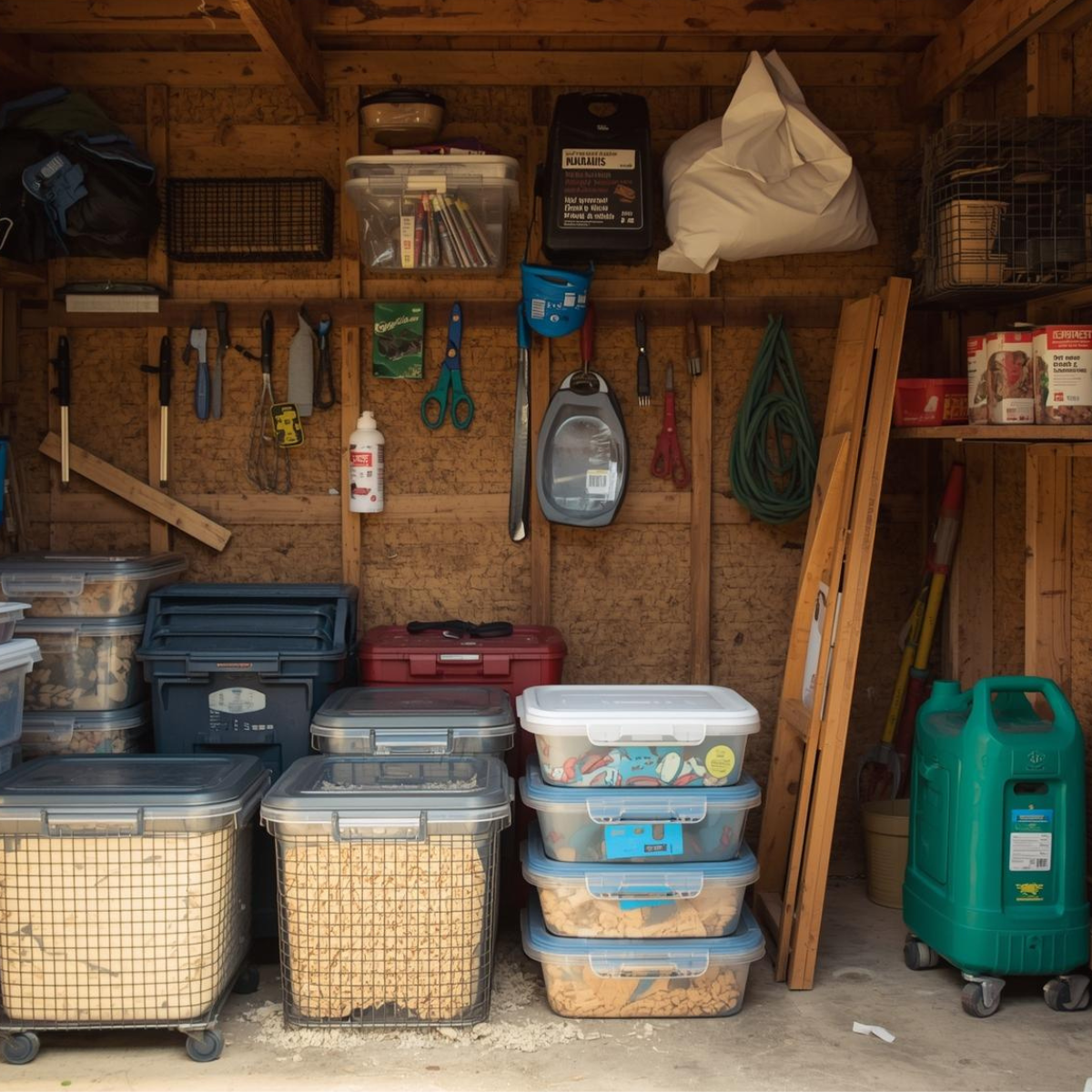
Rodents can destroy wiring and seats, so set defenses before you shut the shed. Start by removing food sources, including seed, pet food, and spilled grass bags. Next, vacuum the engine bay and deck area, so mice lose nesting material. Then, block entry gaps around doors and walls with mesh, foam, or steel wool. Also, place snap traps along edges and check them weekly during cold stretches. Avoid loose poison, because pets and wildlife can suffer from secondary exposure. You can add peppermint packs, yet use them as backup, not your main plan. For the mower, cover the exhaust and intake openings with breathable screen, not rags. Also, remove the battery or connect a maintainer, so spring starts feel easier. Finally, write a short checklist and tape it to the handle for next season. If questions come up, Bob’s Tractor Parts in McEwen, TN can guide repairs and best practices.